This Is Who We Are is a series featuring Columbia School of the Arts’ professors, covering careers, pedagogy, and art-making.
Started in Fall 2020 by alumna Amanda Breen '21, 2021-2022 interviews were conducted by student Willam Hutton, and 2022-2024 interviews were conducted by student Carlos Barragán. 2024-2025 interviews were conducted by students Andrew Scott and Cristóbal Riego.
“Between coronavirus and politics, so much is frightening about the world right now that it almost feels like escapism to lose myself in the pages of a 100-year-old novel.”
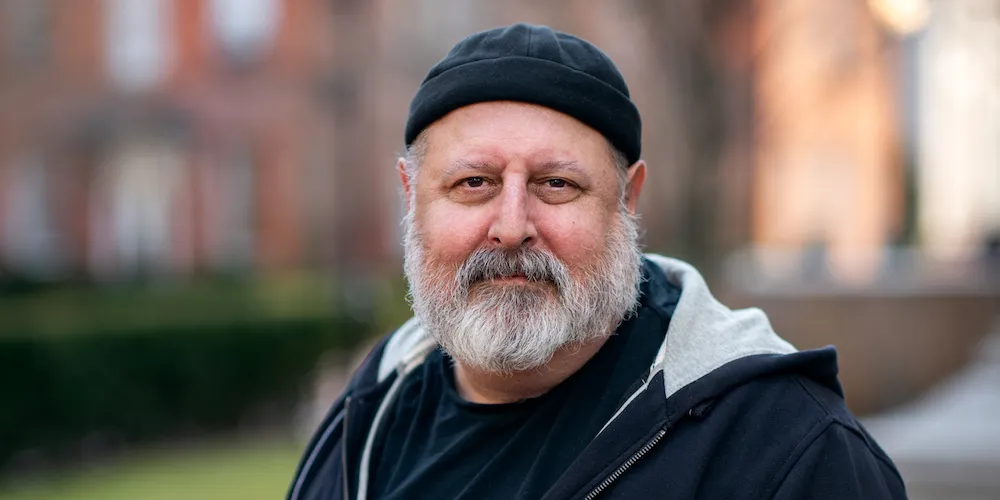
We talk with Professor Brian Kulick about theatre as a gamble, perseverance, and why the director should be the most patient person in the room.
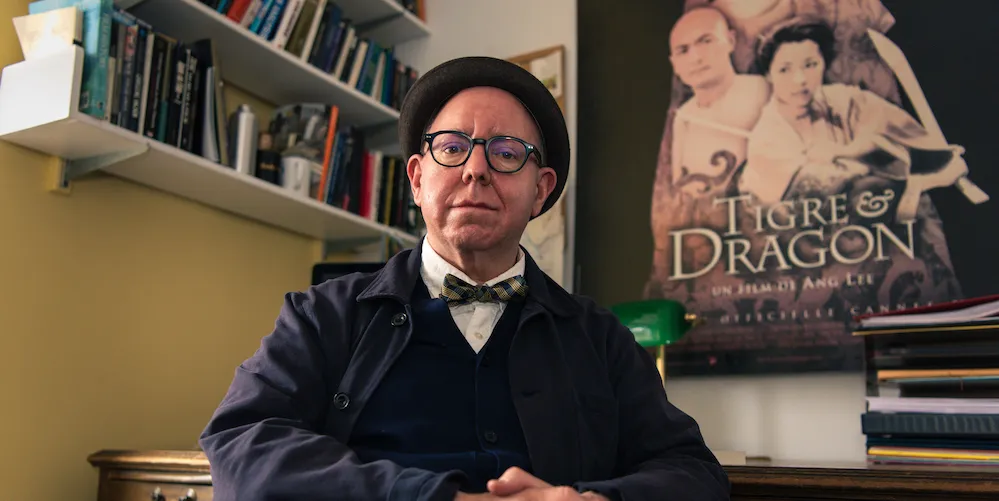
We talk with Professor James Schamus about the film industry as a dream factory in need of regulations, how we’re constantly creating usefulness out of the useless, and why everything that is possible demands to exist.
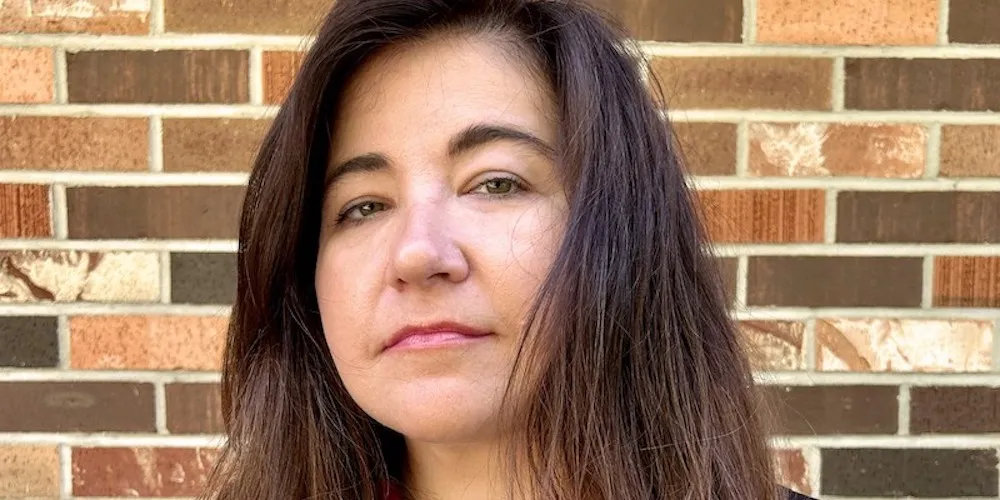
We talk with Assistant Professor Chloé Cooper Jones about writing as a safe space, the tension within the self, and how writers can build their unique lens through which to view the world.
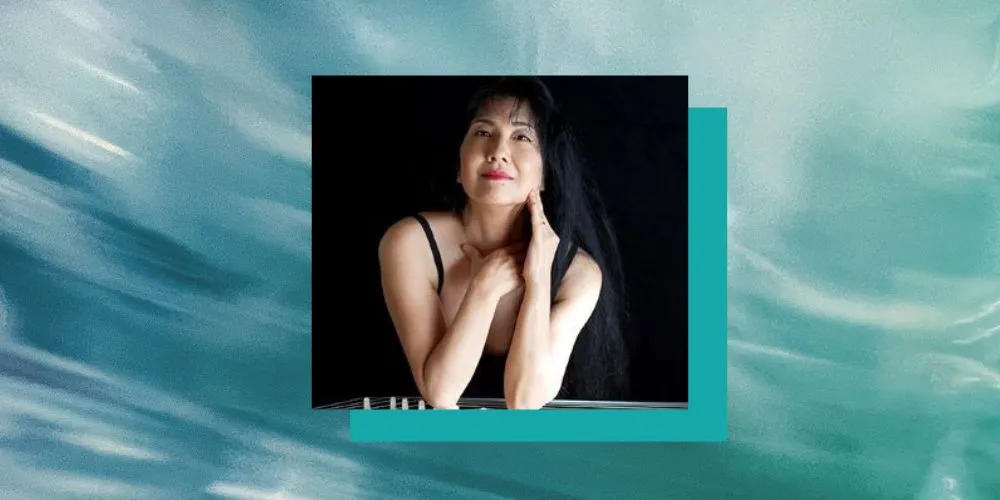
We talk with Associate Professor of Visual Arts and Director of Sound Art Miya Masaoka about the tension between tradition and innovation, her reasons for not referring to her students as "students," and why artists should always be on the lookout for new challenges.
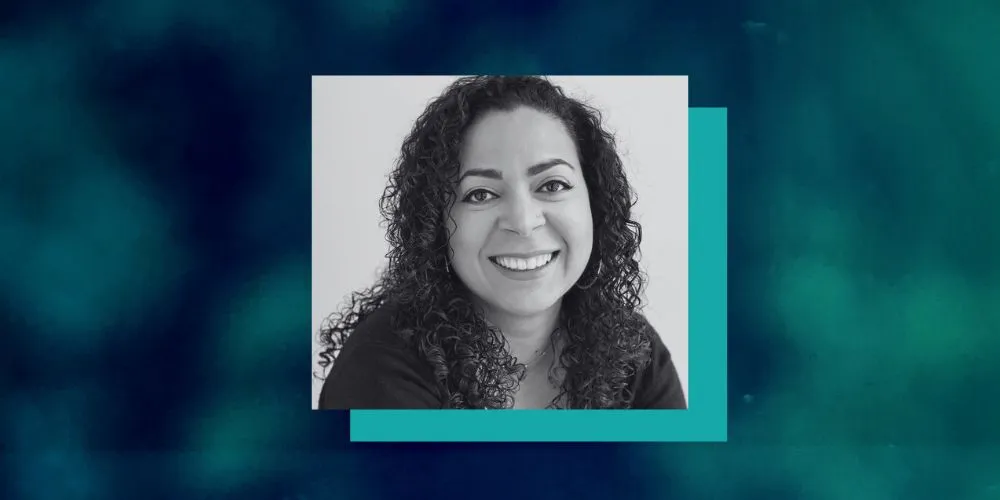
We talk with Professor Jaquira Díaz about using the first person plural, writing about your own community, and why you should be wary about a redemptive ending in a memoir.
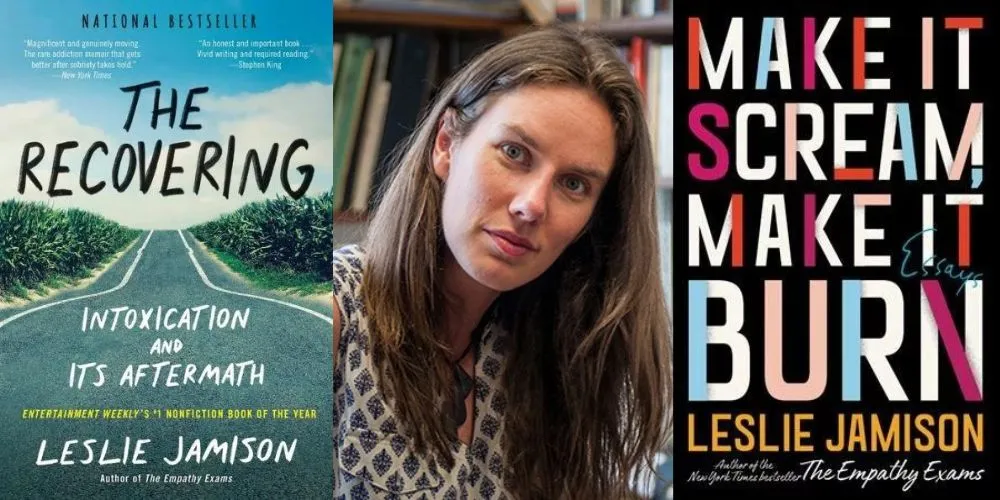
Here, we talk with Professor Leslie Jamison about empathy on the page, why she sees herself as a bowerbird writer, and how teaching influences her writing style.
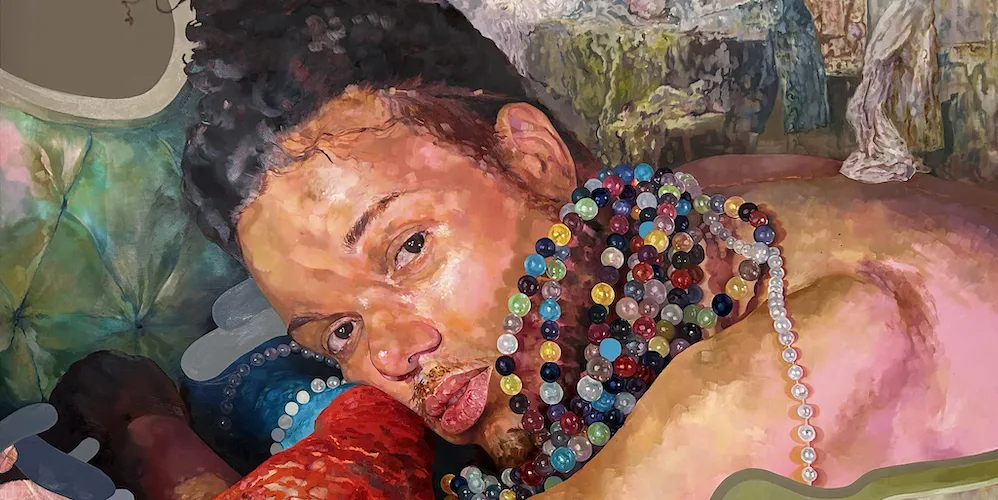
Here, we talk with Assistant Professor of Visual Arts David Antonio Cruz about the artist’s greater responsibility, why the university should be a place for productive failure, and why it is important to fall in love with your obsessions.
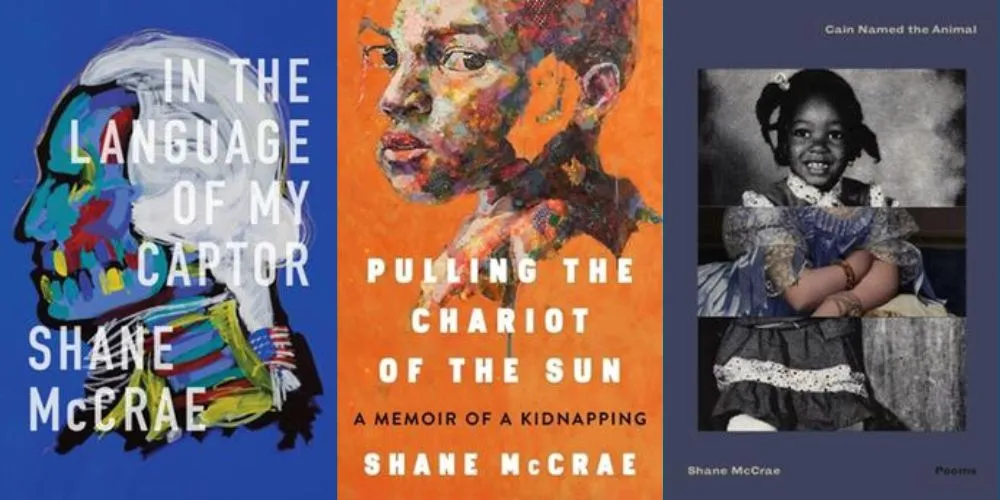
Here, we talk with Professor Shane McCrae about why true poets are always abandoning themselves, how he starts writing poems, and the best ways to find one's own poetry.
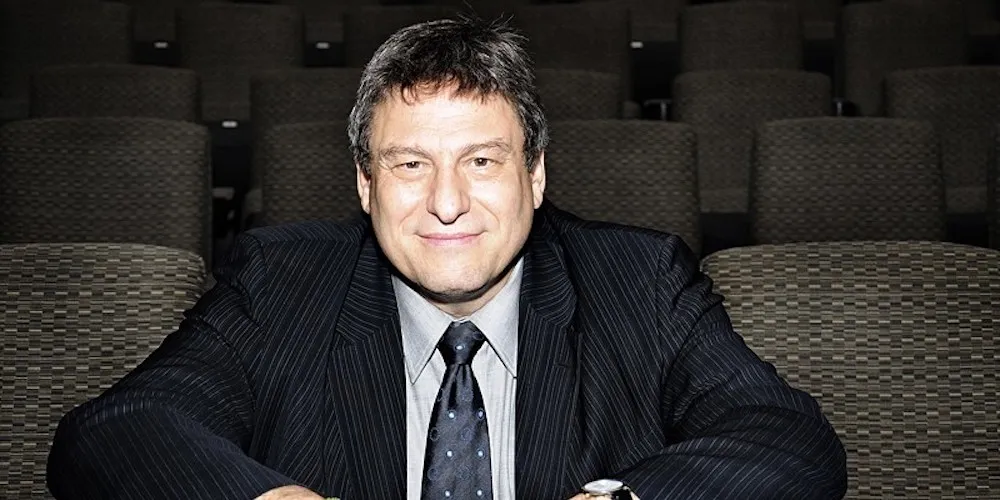
Here, we talk with Film and Media Studies Professor of Professional Practice Richard Peña about finding black holes in film history, why you should watch a movie at least three times, and why film, unlike painting or poetry, transcends borders more easily.
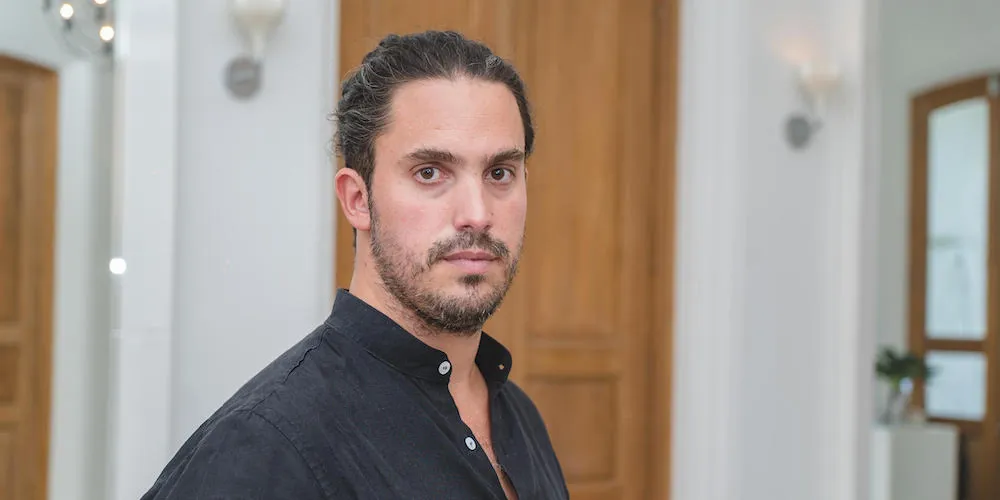
Here, we talk with Visual Arts Lecturer João Pina about his career as a photographer, his new project, Tarrafal, and why failure is essential to learning.
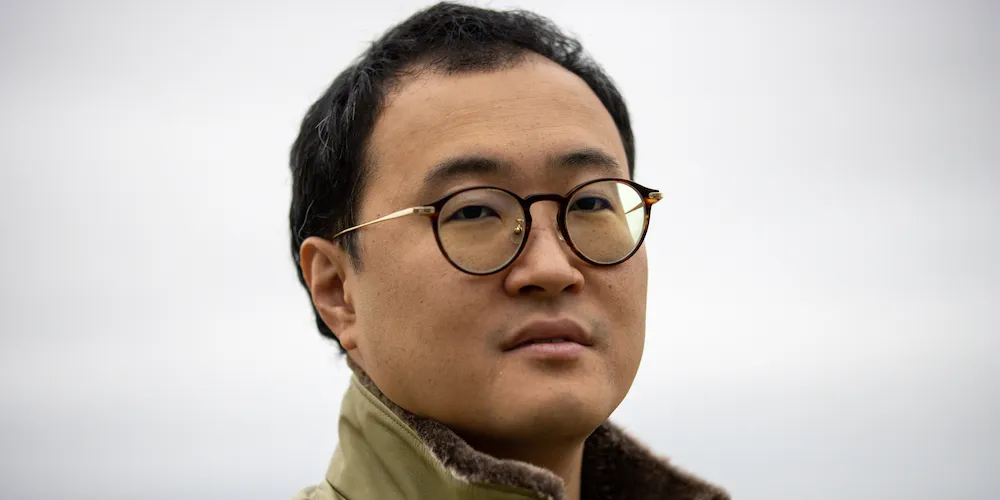
Here, we talk with Assistant Professor of Writing Matthew Salesses about writing myths, how to properly conduct a workshop and why successful writers are never the most talented.
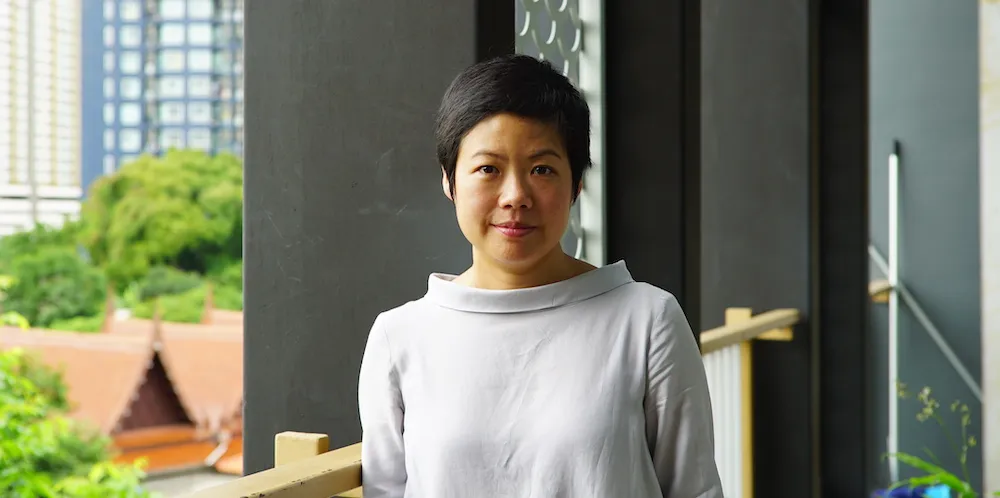
Here, we talk with Film Professor and alumna Anocha Suwichakornpong '06 about her career, the secrets behind a good character and the most overrated idea in cinema.