News
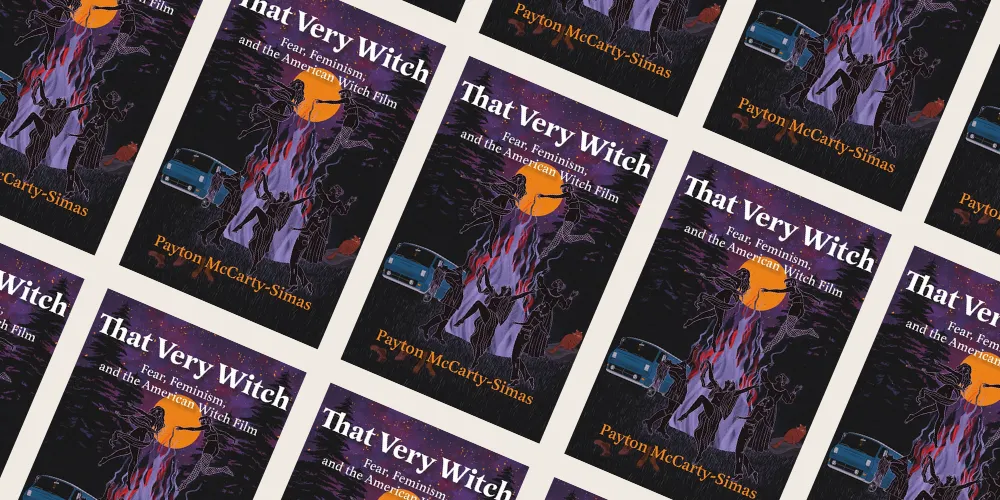
Film and Media Studies MA alum Payton McCarty-Simas '24 has published their second book, That Very Witch: Fear, Feminism, and the American Witch Film with Luna Press Publishing.
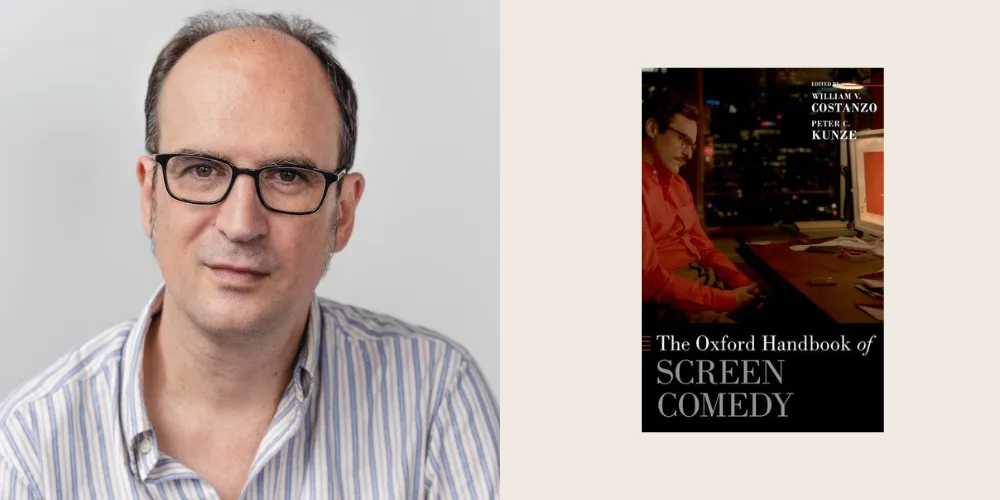
Professor and head of Film and Media Studies Rob King has contributed a chapter titled “Cyborg Laughter” to the The Oxford Handbook of Screen Comedy.
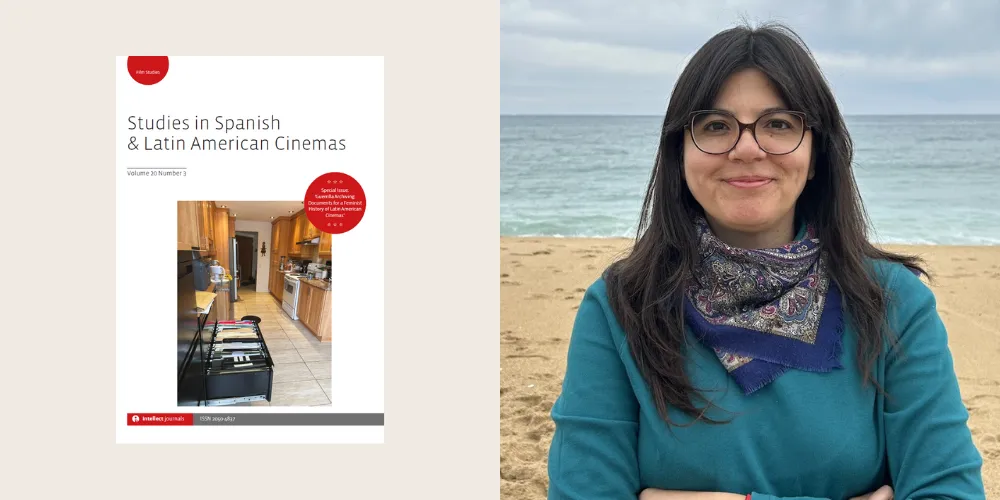
Associate Professor of Film and Media Studies Elizabeth Ramírez-Soto recently helped co-edit and co-publish a special edition of the Studies in Spanish & Latin American Cinemas journal: Guerrilla Archiving: Documents for a Feminist History of Latin American Cinemas.
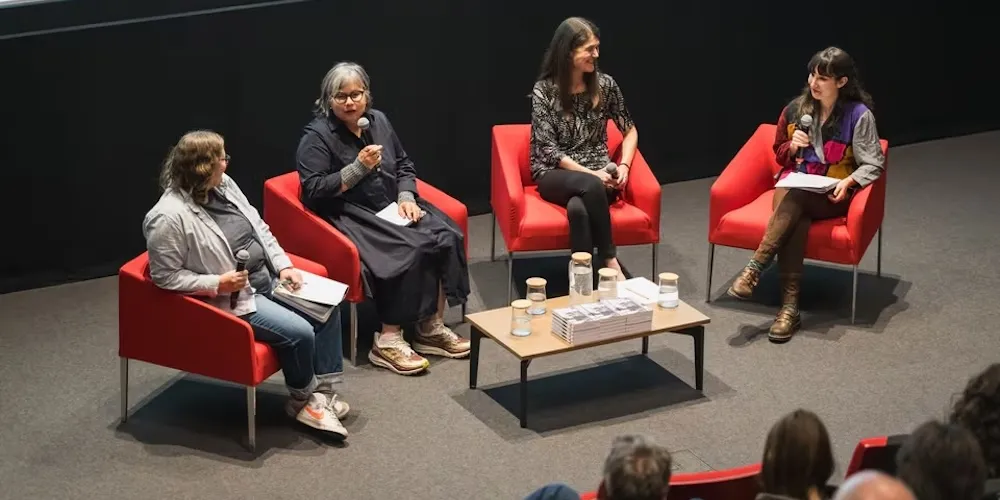
Professors Wanda Strauven and Alexandra Schneider showcased children’s cinematic expressions from past and present.
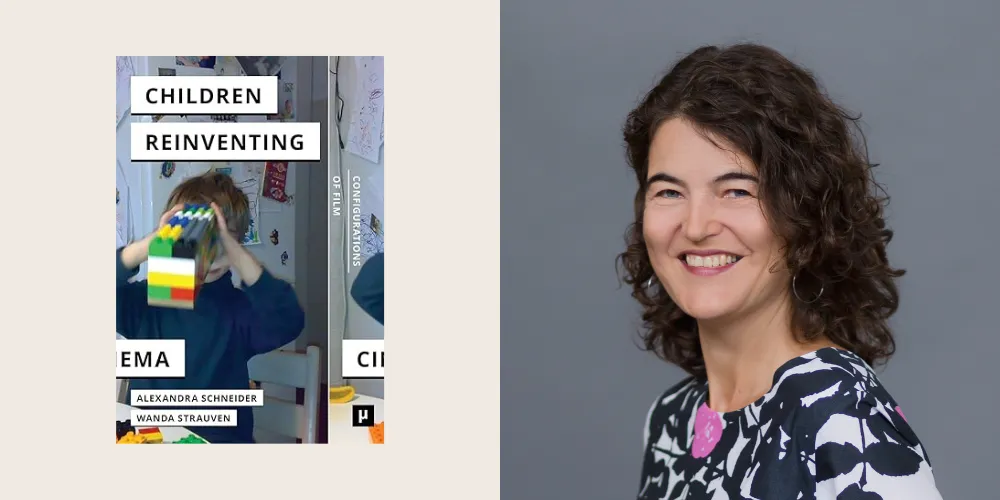
Adjunct Professor of Film and Media Studies Wanda Strauven has published her latest book, Children Reinventing Cinema: Snapshots from the Early 21st Century, co-written by Alexandra Schneider, with Meson Press.
The acclaimed film scholar and interviewer of the stars has widened the lens of the Columbia Film Program, serving students for over 40 years.
James Hoberman covers that decade of cultural ferment in the city in Everything Is Now.
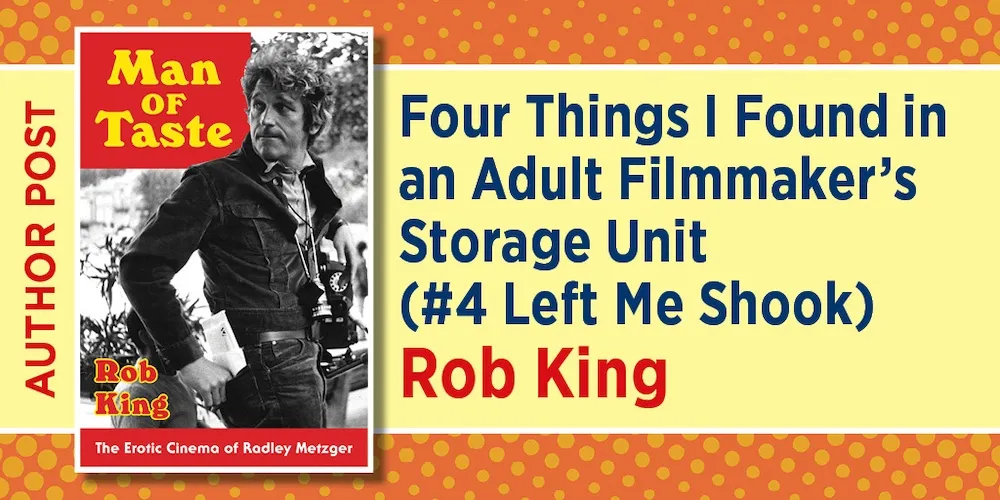
Researching Metzger for my book Man of Taste, I found myself crossing somewhat different boundaries, from archives and finding aids to the clutter of an abandoned storage unit, from researching the past to inheriting it.
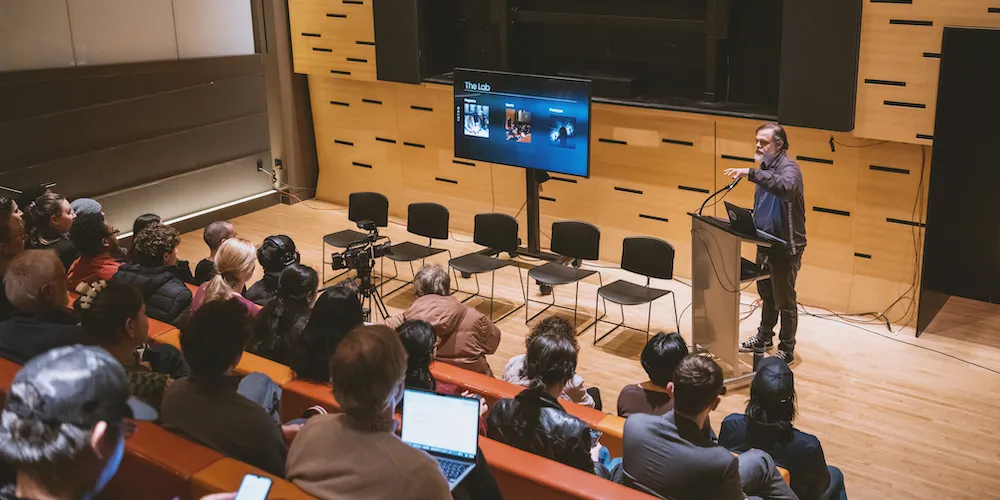
A certain veil of mystery surrounds Columbia’s Digital Storytelling Lab (or DSL), which first set up shop at the School of the Arts in 2013.
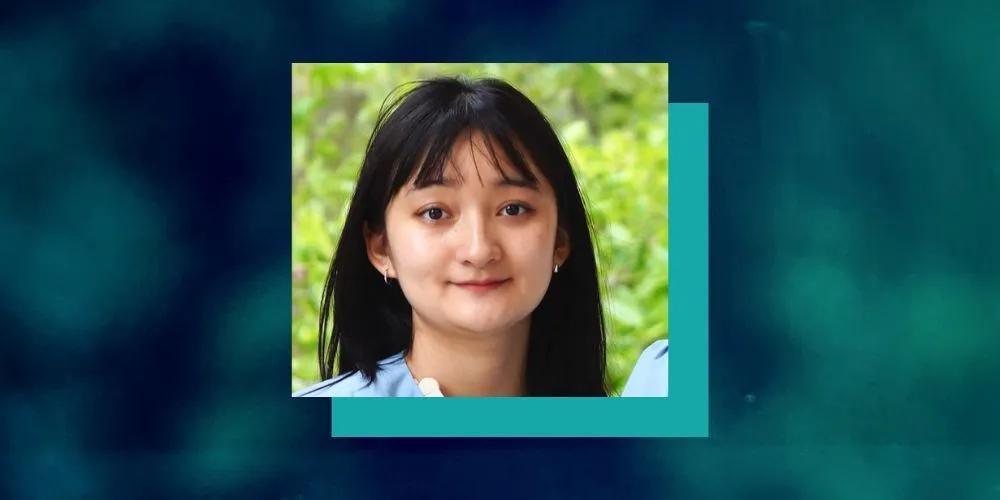
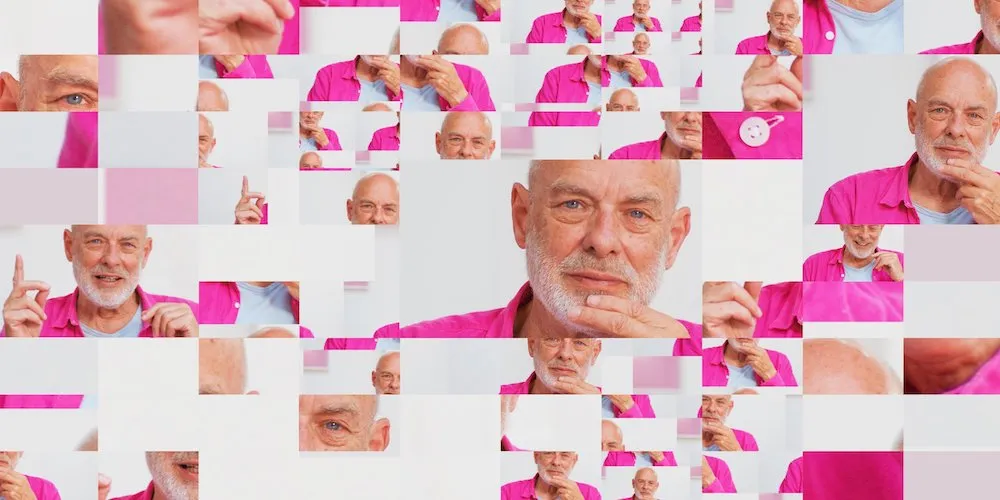
Columbia’s Digital Storytelling Lab (DSL), the School of the Arts’ hivemind for new media exploration, has announced the winners of its 10th Annual Breakthroughs in Storytelling Awards.
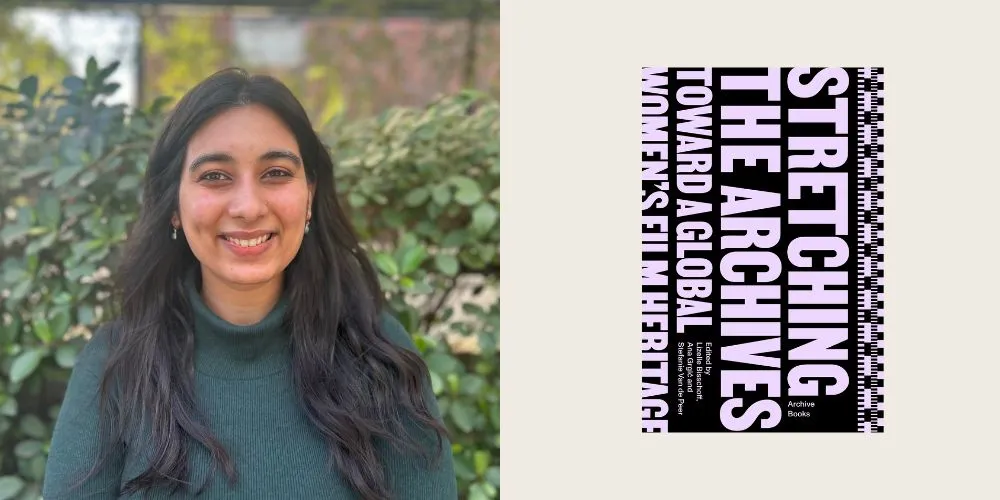
Film and Media Studies alum Soumya Vats ’22 has had her essay on the controversy surrounding BBC One’s A Suitable Boy published in the latest collection from Archive Books, Stretching the Archives Toward a Global Women’s Film Heritage.