Professor João Pina Releases 'Tarrafal,' A Journey Through Cape Verde’s Past
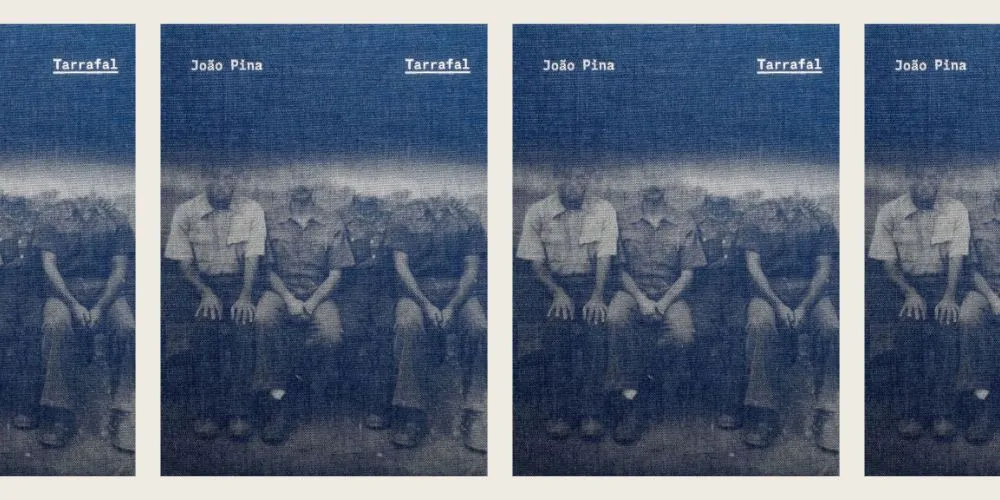
Professor João Pina’s latest project, Tarrafal, is an evocative journey through history, memory, and resistance. The photography book delves into the harrowing legacy of the concentration camp, Tarrafal, located in Cape Verde, a site marked by profound trauma in the Portuguese colonial era. Through a combination of historical and contemporary lenses, Pina offers a new perspective on the camp’s grim past and how it impacted both the victims and the resistance against the Portuguese Fascist regime.
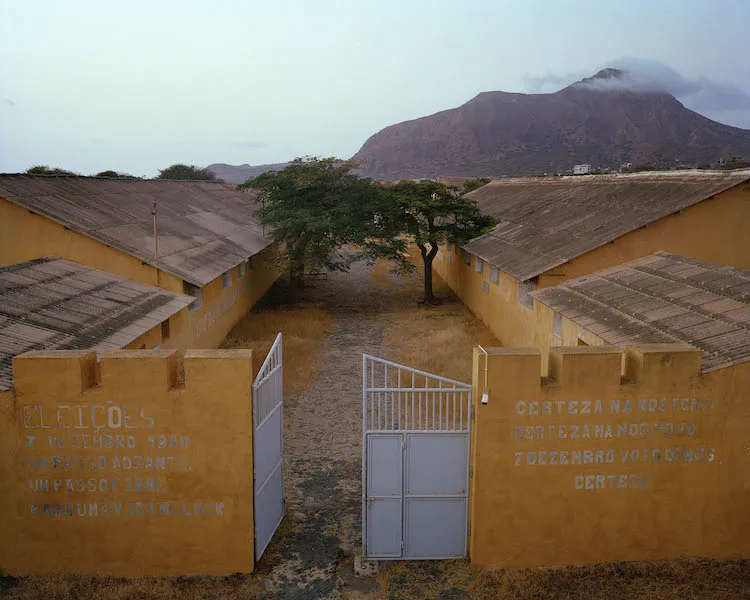
Located on the remote island of Santiago in Cape Verde, the camp represented the gruesome repression of the Portuguese colonial regime. Established in 1936 under the rule of Portuguese dictator Antonio de Oliveira Salazar, the camp imprisoned political dissenters and was infamously dubbed “The Camp of Slow Death.” It is condemned for being the site of serious human rights violations, due to its inhumane conditions and systematic abuse.
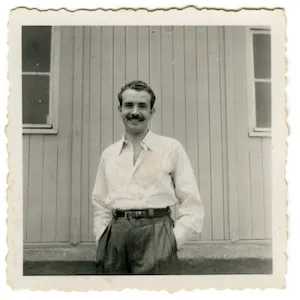
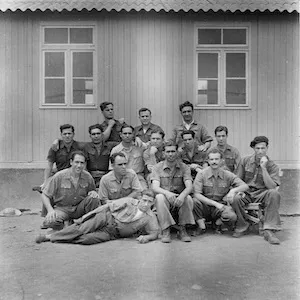
Pina’s personal connection to the book is palpable, as his grandfather, Guilherme da Costa Carvalho, was imprisoned at Tarrafal in 1949. With rare permission, Carvalho’s parents visited him and brought a Rolleiflex camera with them, which they used to capture poignant pictures of the camp’s harsh reality. These photographs, capturing both the suffering of the living and the graves of the deceased, represent a unique and invaluable record of the camp’s conditions.
In 2019, Pina uncovered these images from his family archive, which included negatives, contact sheets and vintage prints. His discovery began his exploration into the camp’s history. His great-grandfather, Luiz Alves de Carvalho, and his mother, Herculana Carvalho, preserved these documents due to both a sense of justice and familial duty. This dedication to the preservation of the camp’s memory allowed Pina to vividly recount what really happened at Tarrafal.
To further delve into the camp’s history, Pina traveled to Cape Verde to photograph the camp’s ruins and juxtapose them with the stories of survivors. The book hinges on this juxtaposition, displaying photographs of the physical remains of the camp alongside the portraits and harrowing testimonies of former political prisoners. These gripping visuals are complimented by Pina’s personal letters to his grandfather, which reflect his discoveries and the historical impact of the Tarrafal camp.
The release of Tarrafal coincides with the 50th anniversary of the Carnation Revolution, an important moment in Portuguese history that ended the fascist regime and ushered in a new era of democracy. The book is a poignant and powerful testament to the enduring impact of historical memory and the quest for justice.
Pina will give a lecture about the project at the Penumbra Foundation on September 25. On October 23rd, there will be a conference at the Columbia University Heyman Center. Copies of the book can be purchased here.