Amber Medland '15 Publishes Second Book, 'Attention Seeker'
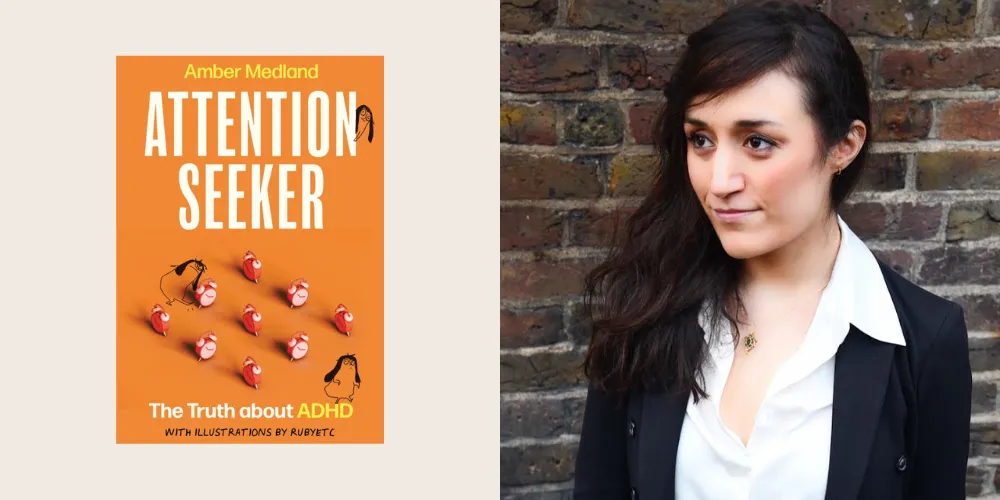
Fiction alum Amber Medland '15, author of the novel Wild Pets, has published her second book, nonfiction investigation Attention Seeker: The Truth about ADHD, with Dialogue Books.
Medland was working on her second novel during COVID lockdowns, when an increased awareness of ADHD led to more diagnoses but also more misinformation that led to negative press. In the UK, where Medland is from, ADHD quickly became part of the culture war narrative.
The culture's ignorance and contempt of ADHD got under Medland's skin, "which made writing about it inevitable," she said. "I shifted towards nonfiction because there was a book I wanted people to read, and it simply didn't exist."
Attention Seeker is the product of months of intensive research, a lifetime of personal experience, and dozens of interviews with professional experts and people living with ADHD in the UK today. "Because of ADHD, when I speak on something, I need to feel I've read absolutely everything on the topic," Medland said. "It's like generating litres of water to distill into a single, clear teaspoon."
Readers will come away from Attention Seeker with a better understanding of how the stigma against ADHD developed across generations, how ADHD shapes lives across race, gender and class, and how so many people are left undiagnosed and misunderstood.
Medland specifically crafted Attention Seeker to be read by neurodivergent minds, with "arcades" between chapters that feature playful illustrations, games, snack ideas, and playlists. "I desperately wanted to write a book about ADHD that people with ADHD could actually read and enjoy," Medland said.
These elements are essential to minds with ADHD, but they can help neurotypical people too. Since the pandemic, Medland noticed more neurotypical people feeling as though they had ADHD, too. While she felt frustrated at first, she soon realized that technology has created an attention economy that replicates some symptoms of ADHD. "That means we should be able to help each other," Medland said. "Neurodivergent people have a lot to teach neurotypical people, if they’ll listen."
Medland's three years at Columbia shaped the book because she experienced how ADHD is treated in the United States. Before coming here for school, Medland had never encountered Adderall or neurotypical people abusing the amphetamine as a performance enhancing drug. Dexedrine, what Medland is prescribed in the UK, has not been widely used for such purposes since the 60s. "This difference spoke volumes about each culture’s attitudes toward attention, productivity, and the pursuit of success," Medland said. ADHD is not just the symptoms Medland and millions of others experience, but how each culture treats them.
Her book ends with a call to action to disrupt commercial exploitation of our attention. "I believe attention is the most precious thing we’ll ever have, and having ADHD isn’t a contradiction to that—in fact, quite the opposite," Medland said. "I protect [my attention] fiercely; I treat it as holy."